Harassment Prevention Training
Teamsters Local 455 Sued Over Sexual Harassment Allegations Involving Union Agent
Background
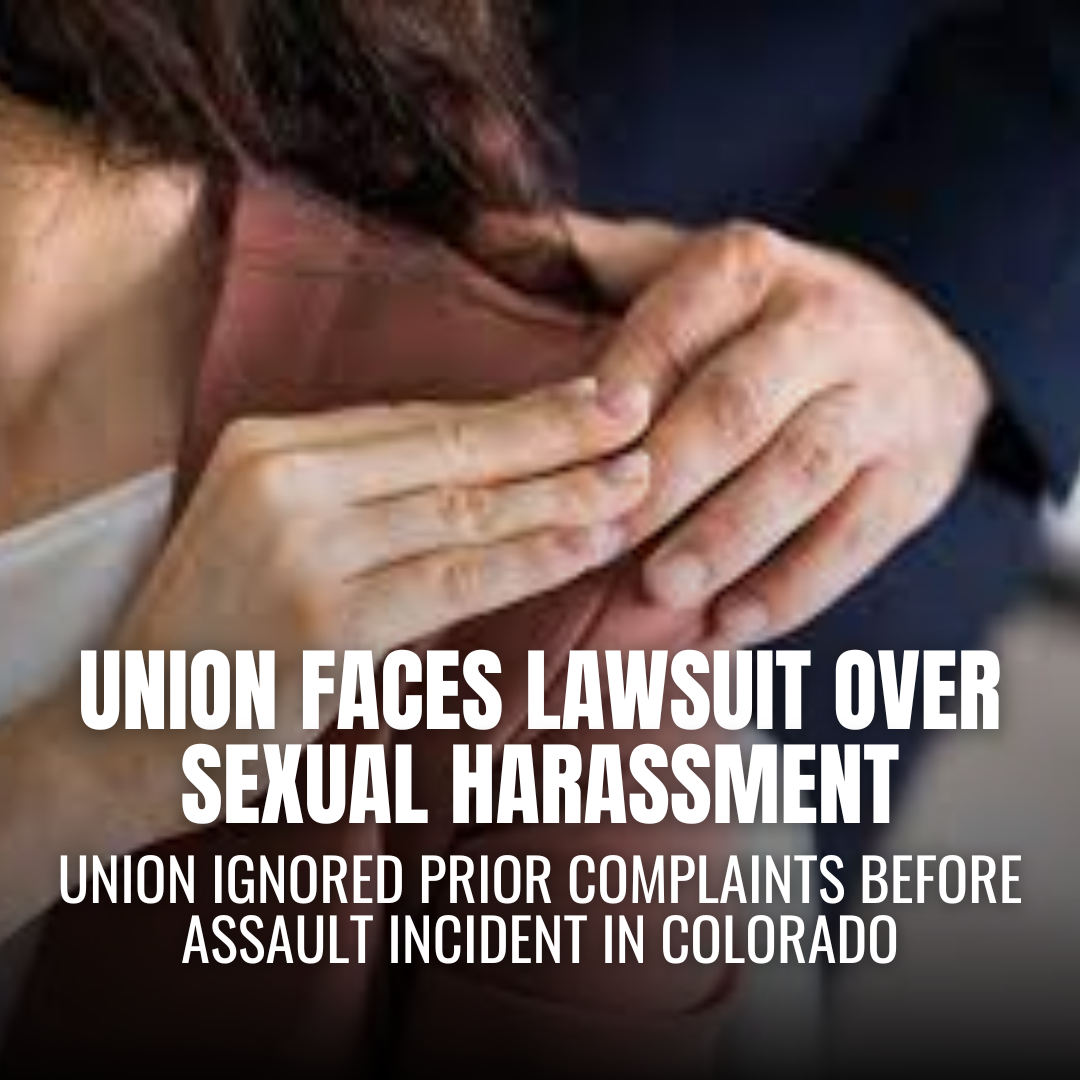
A federal lawsuit has been filed against Teamsters Local Union #455, a labor organization representing workers in Colorado, for failing to prevent and address sexual harassment committed by one of its own business agents. The legal action follows multiple reports of misconduct and a criminal conviction stemming from a 2020 incident involving a female supervisor at UPS.
Incident Details
In September 2020, a Teamsters business agent allegedly harassed a female UPS supervisor during a private meeting. According to court records, he directed others to leave the office, cornered the supervisor at her desk, and propositioned her for sex. The agent allegedly escalated the harassment by inappropriately touching her thigh and making sexually explicit gestures, including touching his private parts in front of her.
The victim promptly reported the incident to UPS management and filed a criminal complaint with the Boulder Police Department. The business agent later pleaded guilty to a related criminal charge in Boulder County Court. He received 18 months of probation, was ordered to perform community service, issue a formal apology, and comply with a restraining order.
Legal Background
Under Title VII of the Civil Rights Act of 1964, it is illegal for any employer or labor organization to allow sexual harassment in the workplace. This includes harassment by their agents, and also mandates action when such behavior is known or reported. Title VII also prohibits retaliation against individuals who report harassment or participate in investigations.
Unions, like employers, have a legal responsibility to ensure their agents do not engage in conduct that creates a hostile work environment. Failure to act on prior known incidents can establish liability for the organization.
Settlement and Relief Sought
The U.S. Equal Employment Opportunity Commission (EEOC) filed the lawsuit in the U.S. District Court for the District of Colorado (Civil Action No. 1:22-cv-2520) after attempts to resolve the matter through conciliation failed. The EEOC is seeking:
- Back pay and compensatory damages for the affected woman
- Punitive damages
- Injunctive relief to prevent further harassment and retaliation within the union
Key Takeaways
- Unions Are Accountable Too
Labor organizations, not just employers, must enforce anti-harassment policies and prevent workplace misconduct. - Past Incidents Matter
A history of misconduct by an employee or agent, when ignored, increases organizational liability under federal law. - Reporting Mechanisms Must Be Clear
Victims should know how and where to report harassment—whether it's within a company or a labor organization.
Conclusion
This case underscores the importance of proactive measures in preventing workplace harassment, particularly by those in positions of power. Ignoring previous misconduct can result in serious legal and reputational consequences. Both employers and unions must take allegations seriously and respond swiftly to ensure a safe working environment for all employees.
Recommendation: Combat Harassment with TAP Series Training
To prevent similar incidents and promote a respectful workplace, businesses and labor organizations should implement comprehensive Sexual Harassment Prevention Training.
TAP Series is a leader in online compliance training, offering robust, engaging, and up-to-date harassment prevention courses. Trusted by organizations nationwide, TAP Series simplifies the learning process, making it easier for busy teams to stay compliant. Whether you manage a business or a union, investing in harassment prevention is not just legally wise—it’s the right thing to do.
Protect your workforce. Partner with TAP Series today.