Federal Settlement
Res-Care/Equus to Pay $125,000 in Disability and Pregnancy Discrimination Settlement
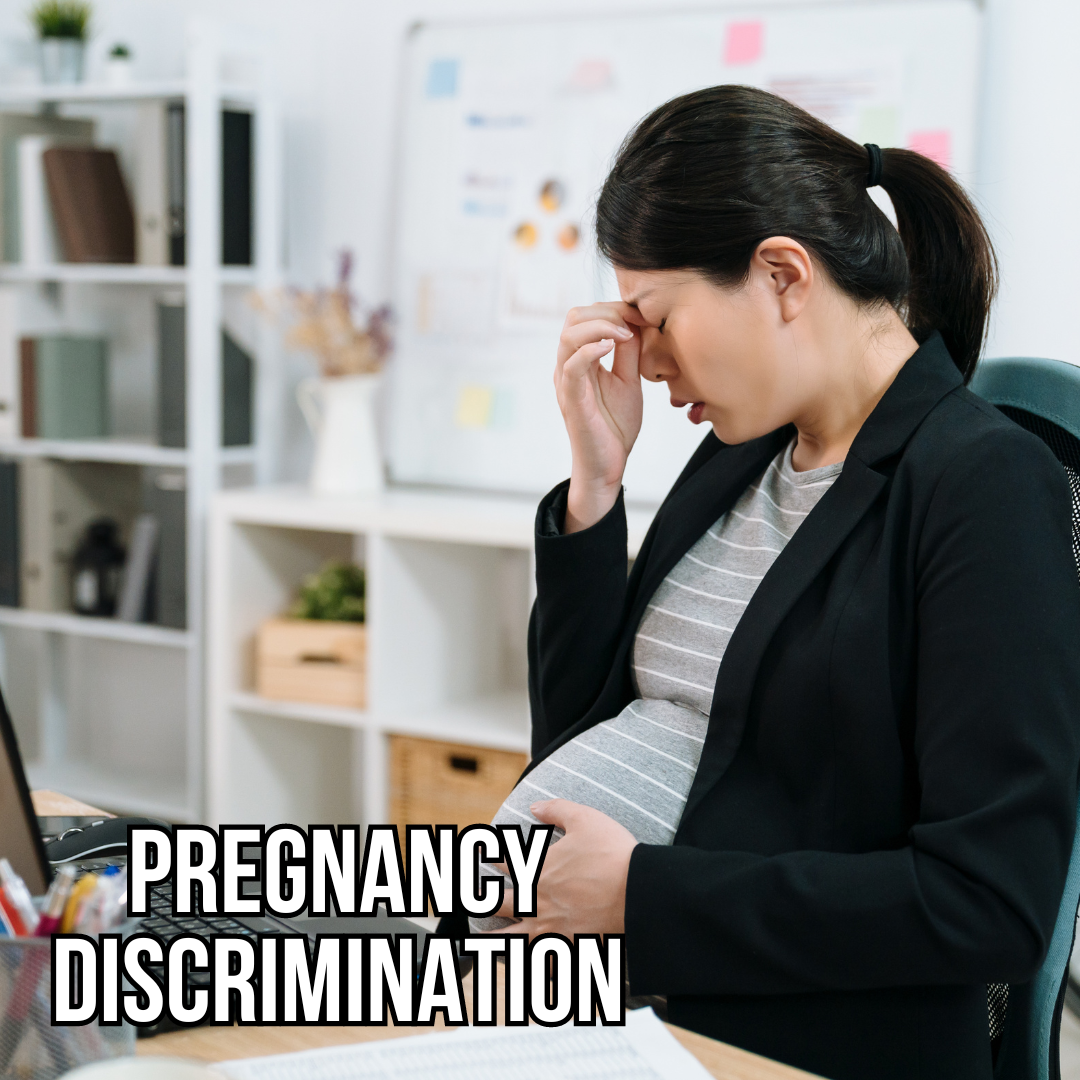
Background:
Res-Care and Equus Workforce Solutions, nationwide job assistance companies operating in New Mexico, have agreed to pay $125,000 to settle a disability and pregnancy discrimination lawsuit filed by the U.S. Equal Employment Opportunity Commission (EEOC).
Allegations:
The EEOC's lawsuit alleged that Res-Care/Equus discriminated against an employee, Cheyenne Benavidez, who had a high-risk pregnancy due to underlying disabilities. Despite being aware of her condition, the companies failed to provide necessary disability accommodations. Benavidez was terminated after attending a medical appointment related to her pregnancy and disabilities. Rather than engaging in an interactive process to explore possible accommodations, Res-Care/Equus enforced a strict attendance policy that prohibited employees from requesting leave for disability or pregnancy-related conditions.
This conduct violated Title VII of the Civil Rights Act of 1964, which prohibits discrimination based on sex, pregnancy, childbirth, or related medical conditions. It also violated the Americans with Disabilities Act (ADA), which requires employers to provide reasonable accommodations for employees with disabilities.
Settlement:
The EEOC filed suit (Res-Care, Inc., d.b.a. BrightSpring Health Services, and Arbor E&T, LLC, d.b.a. Equus Workforce Solutions, Civil Action No. 1:23-cv-00856-WJ-GJF) in U.S. District Court of New Mexico after unsuccessful settlement attempts through pre-litigation conciliation. The consent decree settling the suit includes $125,000 in back pay and compensatory damages for Benavidez. Additionally, Res-Care/Equus will implement injunctive relief measures, including training on recognizing and accommodating pregnancy and disability-related needs, and preventing discriminatory and retaliatory practices.
Conclusion:
This settlement emphasizes the legal obligations of employers to provide reasonable accommodations for employees with disabilities and pregnancy-related conditions. Companies must ensure their policies comply with federal laws to avoid discriminatory practices. The settlement underscores the importance of employer education on broader protections now available under the Pregnant Workers Fairness Act, highlighting the necessity for ongoing training and policy adjustments.