Ohio Public Employee Rights
Ohio Labor Law Reforms: How New Rules Shape the Workplace in 2025
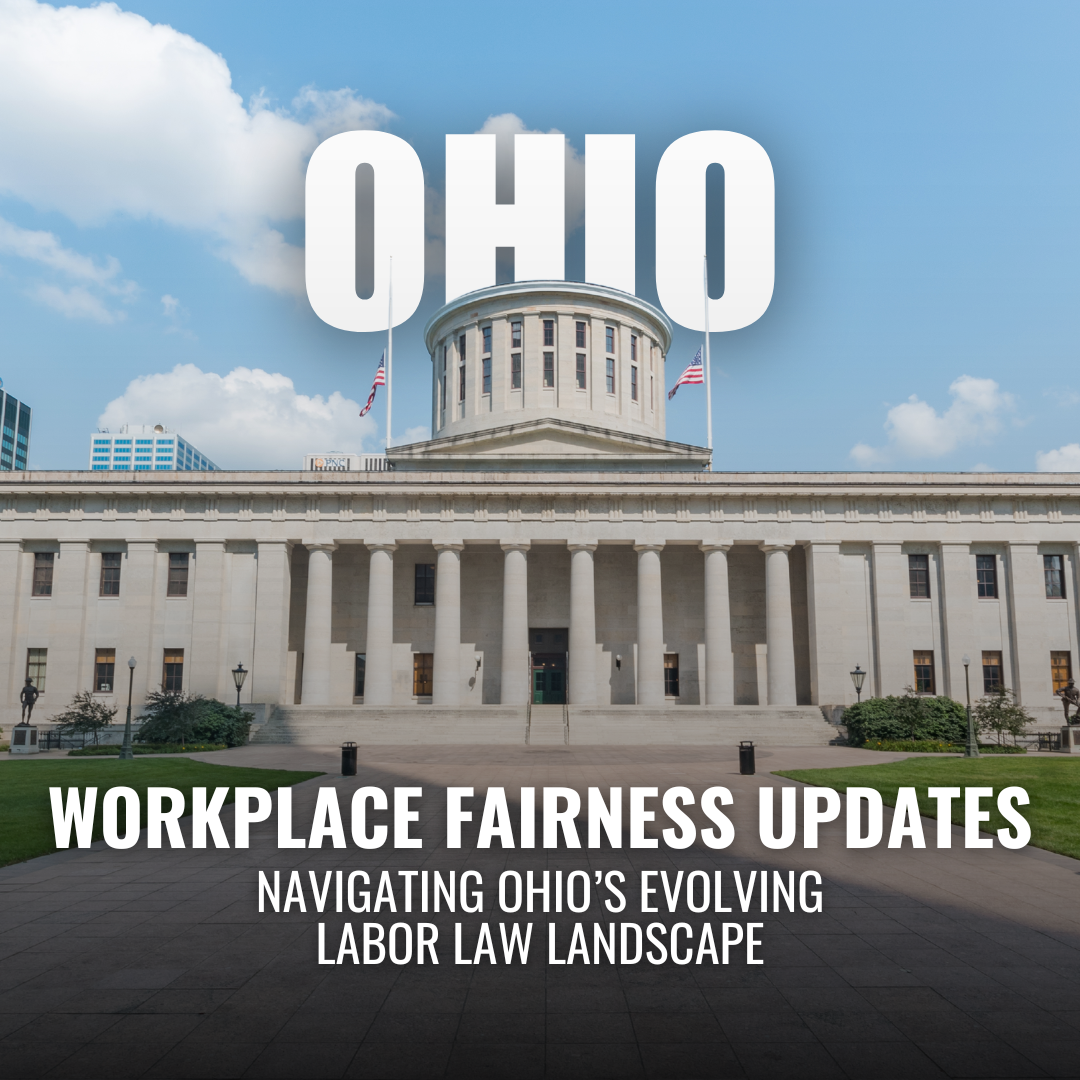
As we move through 2025, Ohio’s labor laws have evolved to reflect growing demands for fairness, transparency, and worker empowerment. From enhanced pay disclosure rules to the reaffirmation of union rights, these updates are designed to improve communication in the workplace and reduce wage-related inequalities. Whether you're running a business or clocking in every day, these changes impact you.
In this review, we’ll break down the most important updates to Ohio labor laws, focusing on pay transparency mandates and employee rights under the National Labor Relations Act (NLRA). We'll look at what’s new, how it affects everyday work life, and what challenges or benefits it might bring.
Pay Transparency: A Closer Look at Compensation Clarity
With the Pay Stub Protection Act and new city-level ordinances, Ohio is stepping firmly into the pay transparency movement.
Here’s what’s changed:
- Detailed Pay Stub Requirements (Statewide)
- As of April 9, 2025, Ohio employers must provide pay stubs with:
- Gross and net wages
- Total hours worked
- Itemized deductions
- This ensures employees clearly understand how their earnings are calculated.
- Salary History Ban & Pay Range Disclosure (Cincinnati, Toledo, Columbus, Cleveland)
- Employers with 15+ employees in these cities can no longer ask about an applicant’s past salary.
- Pay ranges must be disclosed:
- In Cincinnati: After the first interview
- In Toledo: After a conditional offer
- In Columbus: Salary history questions are banned, and salary discussion among employees is protected.
- Employers must avoid using salary history to screen applicants or determine pay.
Implication for Businesses:
Employers need to review and revise handbooks, job descriptions, and hiring procedures. Transparency can enhance trust but may also limit negotiation flexibility during hiring.
Impact on Workers:
These rules give job seekers more leverage and reduce the risk of pay discrimination—especially for women and marginalized groups.
Reinforced Worker Rights Under the NLRA
The National Labor Relations Act continues to be the backbone of workplace rights in Ohio. In 2025, there’s growing awareness and emphasis on enforcement.
Key protections include:
- Right to Unionize & Bargain
- Employees can freely join, form, or support a union and bargain collectively over wages, hours, and conditions.
- Right to Concerted Activity
- Workers may team up to improve work conditions, even outside of formal unions.
- Right to Decline Union Participation
- Employees have the choice to opt-out of union activities altogether.
Employers are prohibited from:
- Interfering with or retaliating against employees for union-related actions
- Discouraging union membership through threats or promises
- Interrogating workers about union involvement
Enforcement mechanisms:
- The National Labor Relations Board (NLRB) handles private-sector complaints.
- The State Employment Relations Board (SERB) governs public sector cases under Ohio's Public Employees' Collective Bargaining Act.
Why it matters now:
Union activity is surging nationwide. These rules protect employees who want better working conditions and require employers to be more cautious and respectful during workplace disputes.
Benefits and Challenges of the 2025 Updates
For Workers:
✅ More wage clarity and fairness
✅ Protection from discriminatory pay practices
✅ Greater freedom to organize and express workplace concerns
⚠️ May face resistance or subtle pushback during hiring or negotiations
For Employers:
✅ Opportunity to build trust through pay transparency
✅ Clearer wage documentation reduces payroll disputes
⚠️ Increased administrative responsibility
⚠️ Need for retraining HR teams and updating internal policies
Final Thoughts: Staying Informed, Staying Compliant
Ohio’s 2025 labor law updates show a meaningful shift toward transparency, accountability, and stronger employee rights. For businesses, compliance isn't just about avoiding penalties—it's about building a more respectful and fair workplace. And for workers, it’s about understanding your rights and knowing what’s fair.
As labor laws continue to evolve, both sides must stay informed. These changes aren’t just legal updates—they’re reshaping workplace culture.
Important Note to Consider
This content is intended for informational purposes only. Although we strive to present accurate and up-to-date information, we cannot guarantee that it is completely free from errors or omissions. We encourage users to verify any important details independently and not rely solely on the information provided here.