Impact Of NC Labor Law Updates On Businesses
North Carolina’s 2025 Labor Law Updates: Expanding Caregiving Rights for Families
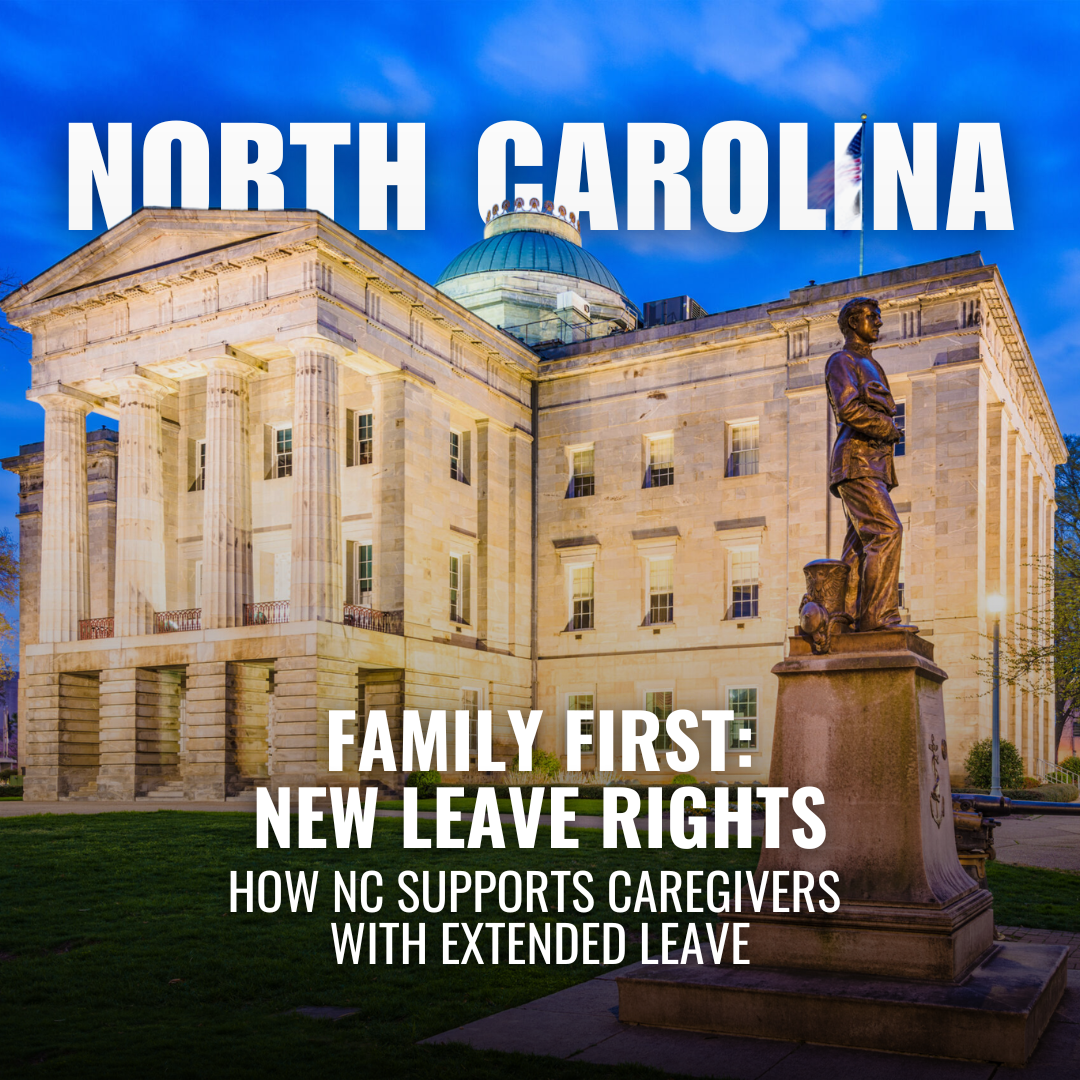
When life throws unexpected challenges, especially around a loved one's health, knowing your rights at work can make all the difference. North Carolina's recent updates to its labor laws, particularly around family illness leave, show that the state is taking steps to support workers facing tough personal situations. As we move through 2025, these changes continue to be highly relevant—not just for employees trying to balance work and caregiving, but also for employers figuring out how to stay compliant while supporting their teams.
Let’s break down what’s changed, what it means for you, and what both workers and businesses should be prepared for.
Major Updates to North Carolina's Labor Laws
Unpaid Family Illness Leave: More Time for Care
North Carolina has extended significant support to employees dealing with family health crises. Here's what you need to know:
- Eligibility: Workers are eligible if they need to care for a child, spouse, or parent with a serious health condition.
- Leave Duration: Employees can now take up to 52 weeks of unpaid leave over a five-year period.
- Beyond FMLA: This leave extends the federal Family and Medical Leave Act (FMLA), which only provides 12 weeks. North Carolina offers an additional 40 weeks over five years.
- Flexibility in Usage: Leave can be taken all at once or intermittently, depending on the employee’s needs and the employer's approval.
- Paid Time Option: Employees may choose to use accrued vacation, sick, bonus, or shared leave during this period.
- Health Benefits: Employees can retain their health insurance, but must cover the premiums themselves after the initial 12 weeks of FMLA-protected leave.
How These Changes Impact Workers and Employers
For Workers:
- Positive Impact:
- More time for caregiving without risking job loss.
- Greater flexibility to manage unexpected medical situations.
- Opportunity to maintain health insurance coverage (though at personal cost after 12 weeks).
- Challenges:
- Financial strain from unpaid leave.
- Health insurance premiums can become an extra burden after FMLA coverage ends.
- Managing job security after using extended leave could feel uncertain, depending on the employer’s policies beyond federal protections.
For Employers:
- Positive Impact:
- Clearer guidelines help employers manage employee needs during serious family health events.
- Potential for better employee retention by showing compassion and support for family needs.
- Challenges:
- Operational disruptions from longer or intermittent employee absences.
- Administrative complexity in tracking leave over five years.
- Additional communication responsibilities about benefit coverage and employee obligations.
Why It’s Still Relevant in 2025
With rising healthcare needs and more families taking on caregiving roles, laws like North Carolina’s Family Illness Leave policy reflect a larger national trend: workplaces are expected to be more flexible and compassionate. These updates continue to matter in 2025 because:
- Many employees are balancing full-time work with caregiving duties.
- There’s increased awareness and demand for mental health and family support at work.
- Companies that embrace these policies are seen as more attractive employers in today’s competitive labor market.
Final Thoughts
North Carolina’s updated Family Illness Leave law highlights the evolving relationship between work and family life. While offering extended unpaid leave is a huge step toward supporting employees, it also brings financial and administrative challenges that both workers and businesses must navigate carefully.
At the end of the day, it's about giving people the time they need to be there for their families—without making them choose between their job and their loved ones.
Important Note to Consider
This content is intended for informational purposes only. Although we strive to present accurate and up-to-date information, we cannot guarantee that it is completely free from errors or omissions. We encourage users to verify any important details independently and not rely solely on the information provided here.