Hostile Work Environment
Maui Hotel Owner Accused of Harassment and Retaliation in EEOC Lawsuit
Background
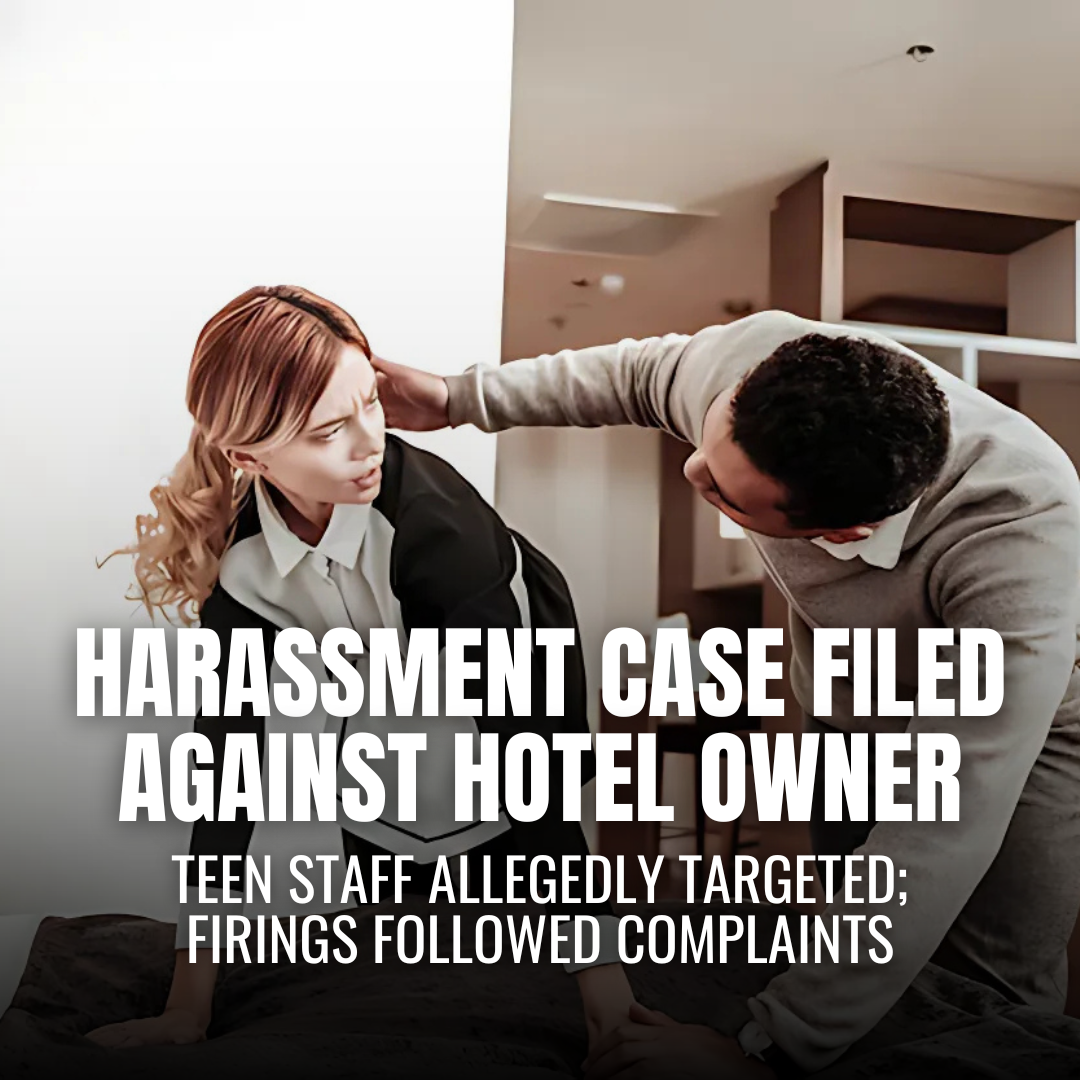
A federal sexual harassment lawsuit has been filed against Paia Inn, a boutique hotel located on the North Shore of Maui. The legal action stems from multiple complaints by former employees alleging inappropriate and unlawful behavior by the hotel’s owner. These incidents reportedly occurred over several years and involved a pattern of sexual misconduct and retaliatory firings.
Incident Overview
The U.S. Equal Employment Opportunity Commission (EEOC) filed a lawsuit alleging that since at least 2015, the owner of Paia Inn subjected a group of young female employees—including teenagers—to severe and repeated sexual harassment. The misconduct allegedly included:
- Unwanted and inappropriate touching.
- Sexual propositions and advances.
- Demands for massages while naked.
- Comments about employees' physical appearance, often in front of male patrons.
- Hiring decisions influenced by appearance, including requiring photos with job applications.
In addition to the harassment, the owner allegedly retaliated against employees who objected. One worker was terminated immediately after defending colleagues. Others who raised concerns were either fired or forced to resign.
Legal Framework
The alleged conduct constitutes violations of Title VII of the Civil Rights Act of 1964, which prohibits:
- Discrimination based on sex, including sexual harassment.
- Retaliation against employees who file complaints or participate in investigations.
The EEOC filed the suit in the U.S. District Court for the District of Hawaii (Case No. 1:25-cv-00199), following an unsuccessful attempt to reach a voluntary pre-litigation settlement through conciliation.
Relief Sought
In the lawsuit, the EEOC seeks:
- Compensatory and punitive damages for the impacted employees.
- Injunctive relief requiring changes to the hotel's employment practices.
- Measures to ensure a safe and harassment-free workplace in the future.
As of this writing, no settlement has been reached.
Key Takeaways
- Harassment by business owners is a serious legal liability. Employers are responsible for maintaining a harassment-free environment—even if the misconduct is from the top.
- Retaliating against complainants is a separate violation. Firing or punishing employees for speaking out can result in additional legal consequences.
- Hiring based on appearance and requesting applicant photos can be discriminatory. These practices may support claims of sex-based bias and create a hostile work environment.
Conclusion
This case highlights the severe consequences employers face when they fail to protect workers from sexual harassment—particularly in settings involving young or vulnerable employees. The EEOC's actions serve as a reminder that workplace protections under federal law apply across industries and hierarchies, including small businesses and privately owned operations.
A Call to Action: Train and Prevent with TAP Series
To prevent similar issues, employers should implement robust sexual harassment training. TAP Series is a leader in online compliance training, offering streamlined, accessible, and effective courses tailored for today's workplaces. Its Sexual Harassment Prevention Training equips employers and employees alike with the knowledge to recognize, report, and prevent misconduct—protecting individuals and organizations from legal and reputational harm.
In an age where accountability is paramount, choosing a partner like TAP Series means you're not only meeting regulatory requirements—you’re fostering a respectful, safe workplace culture. Don’t wait for a complaint to act—prevent it with TAP.