Sign Language Interpreter Lawsuit
Champion Media Settles Disability Discrimination Lawsuit for $102,500 After Refusing Interview Accommodation
Background
Champion Media, a North Carolina-based publishing company, has agreed to pay $102,500 and implement additional measures to resolve a disability discrimination lawsuit. The case stems from allegations that the company denied a qualified deaf applicant a reasonable accommodation during the hiring process at its Lumberton, North Carolina printing facility.
Incident Details
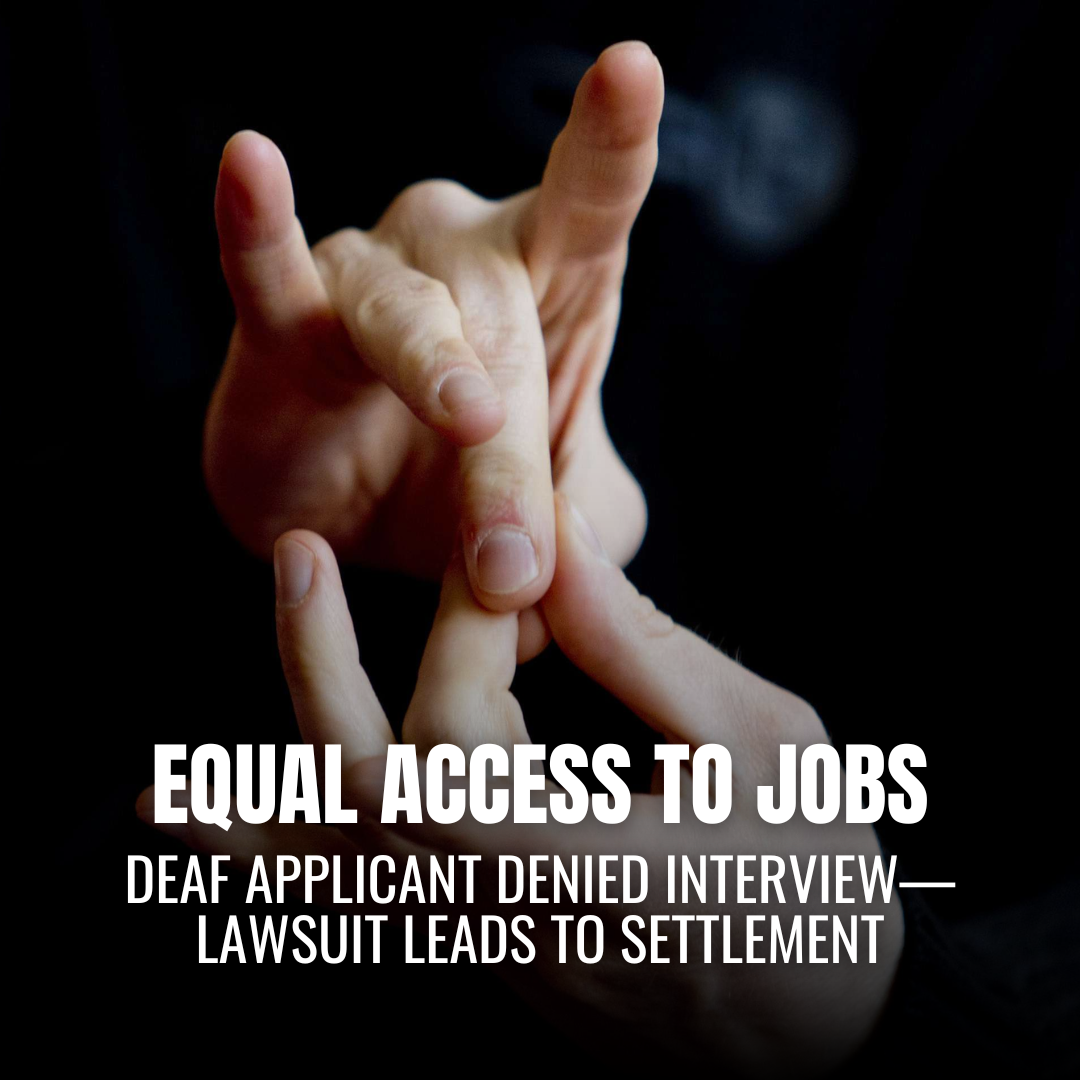
In 2023, a deaf applicant applied for a job at Champion Media. After a successful phone screening conducted with the help of a video relay service, the applicant was invited for an in-person interview. When the applicant requested a sign language interpreter for the interview, Champion Media canceled the meeting and ultimately did not proceed with the hiring. The applicant met all the job qualifications and required only minimal accommodation to participate in the hiring process.
Legal Background
Under the Americans with Disabilities Act (ADA), it is unlawful for employers to discriminate against individuals based on disability. The ADA also requires employers to provide reasonable accommodations for applicants or employees with disabilities, unless doing so would result in undue hardship. Denying an accommodation during the hiring process can constitute a violation of federal law.
The lawsuit was filed by the EEOC as Case No. 7:24-cv-00707 in the U.S. District Court for the Eastern District of North Carolina, after efforts to reach a pre-litigation settlement failed.
Settlement Terms and Relief
To resolve the lawsuit, Champion Media agreed to:
- Pay $102,500 in monetary relief to the applicant.
- Enter into a three-year consent decree requiring:
- Annual employee training on disability discrimination and accommodations.
- Posting notices informing employees of their rights under the ADA.
- Periodic reporting to the EEOC to ensure ongoing compliance.
Key Takeaways
- Hiring protections apply to job applicants, not just current employees.
- Failure to provide reasonable accommodations—even during interviews—can be unlawful.
- Proactive training and policy reform are often required as part of EEOC settlements.
Conclusion
The settlement between Champion Media and the EEOC underscores the legal obligation of employers to provide equal access to the hiring process for individuals with disabilities. This case serves as a reminder that denying accommodations—even during a job interview—can have significant legal and financial consequences. Companies are expected to assess accommodation requests fairly and engage in the interactive process, rather than excluding qualified candidates.