Workplace Safety Laws
Bojangles Faces Lawsuit Over Sexual Harassment and Retaliation at Greensboro Location
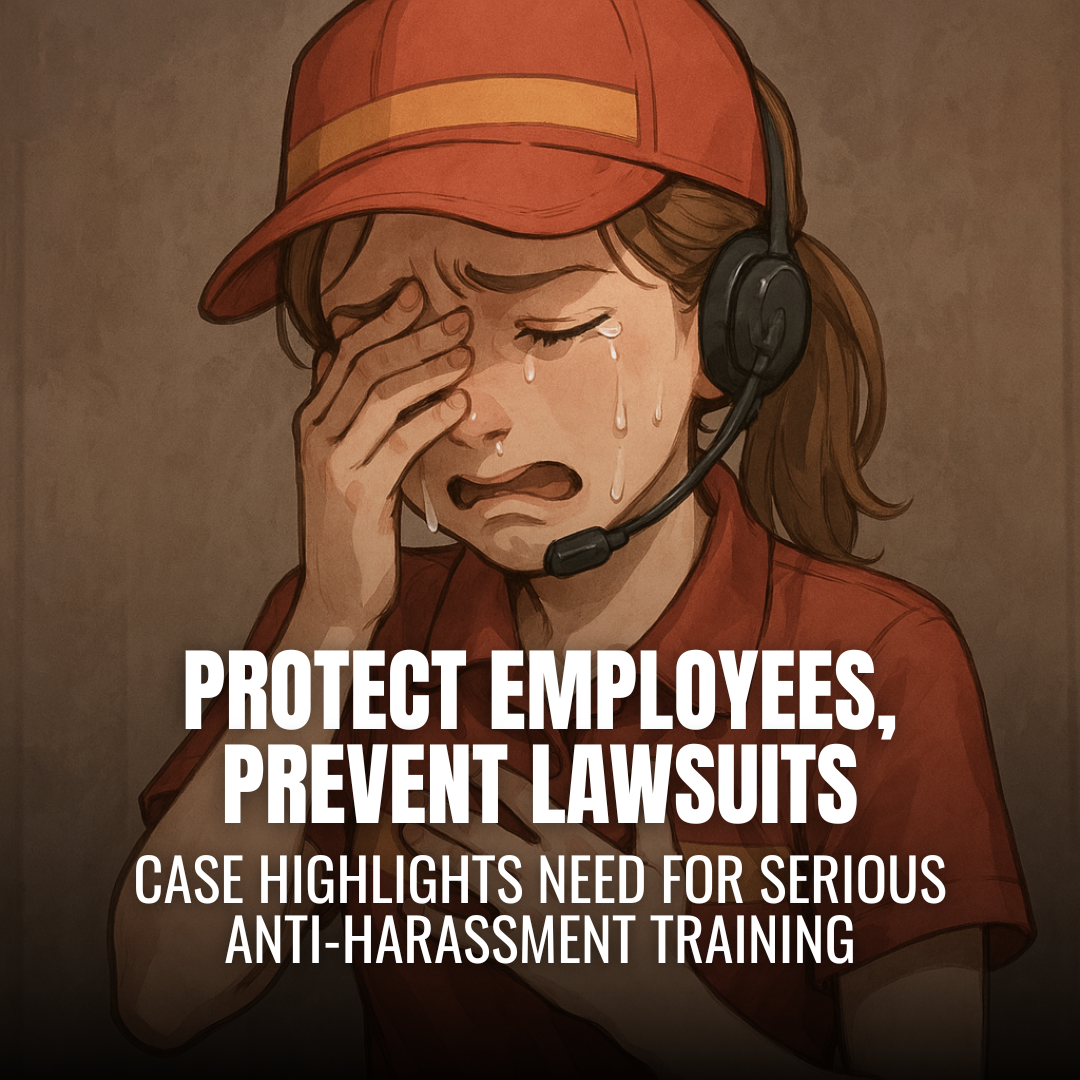
Background:
Sexual harassment continues to be a pervasive issue in workplaces across the country, with fast food restaurants among the industries most frequently affected. Title VII of the Civil Rights Act of 1964 prohibits such conduct and also protects employees from retaliation when they report workplace discrimination. In this case, Bojangles’ Restaurants, Inc. is facing legal consequences after a former employee alleged both sexual harassment and retaliation at one of its locations in North Carolina.
Incident Details:
Between March and June 2020, a female employee working at a Bojangles restaurant in Greensboro, North Carolina, was subjected to ongoing sexual harassment by the restaurant's general manager. According to the lawsuit filed by the U.S. Equal Employment Opportunity Commission (EEOC), the general manager repeatedly made sexual remarks to the employee and engaged in unwanted physical contact, including inappropriate touching and grabbing.
After the employee reported this behavior, she faced retaliation. Instead of addressing the misconduct, Bojangles denied her access to a management training program—a step toward advancement—and subsequently transferred her to a different location. The lawsuit alleges these actions were direct responses to her complaint.
Legal Background:
Title VII of the Civil Rights Act of 1964 prohibits discrimination based on sex, which includes sexual harassment. It also makes it illegal for employers to retaliate against employees who file complaints about discriminatory practices. Employers are legally obligated to investigate allegations of harassment and to protect complainants from adverse consequences related to their reports. Failure to do so can result in legal action by federal agencies like the EEOC.
Settlement and Relief:
The EEOC filed the lawsuit (Civil Action No. 1:22-cv-00739) in the U.S. District Court for the Middle District of North Carolina after unsuccessful efforts to resolve the matter through its voluntary conciliation process. The agency is seeking monetary relief for the affected employee, including back pay, compensatory damages, and punitive damages. In addition, the EEOC is requesting injunctive relief to ensure Bojangles implements proper anti-harassment policies and training to prevent future violations.
Key Takeaways:
- Workplace Harassment Must Be Addressed Immediately: Employers must respond swiftly and effectively to all complaints of sexual harassment. Failure to act may lead to legal action and reputational damage.
- Retaliation is Also a Violation: Moving an employee or denying advancement opportunities after a complaint is made constitutes retaliation, which is illegal under federal law.
- Legal Compliance Requires More Than Policies: Employers need to ensure their anti-harassment policies are not only in place but also actively enforced and understood by all staff.
Conclusion:
The Bojangles case highlights the serious consequences companies face when they fail to protect employees from harassment and retaliation. This lawsuit serves as a reminder that compliance with federal employment laws must be a top priority for all employers—particularly those in industries where power dynamics and high turnover can increase vulnerability to abuse.
Protect Your Workplace with TAP Series Training
To safeguard your organization from similar legal risks, Sexual Harassment Prevention Training is critical. TAP Series is one of the nation’s leading partners in online compliance education, offering straightforward, self-paced courses that help businesses stay compliant with federal and state laws.
We know you're busy—that’s why TAP Series makes training simple, accessible, and effective. As the leader in online compliance training, TAP Series helps employers create a safer, more respectful workplace. Equip your team with the tools they need to recognize, report, and prevent harassment before it becomes a legal issue.