Hawaii Employee Protection Laws
Workers & Employers: Stay Compliant with Hawaii’s Latest Labor Laws
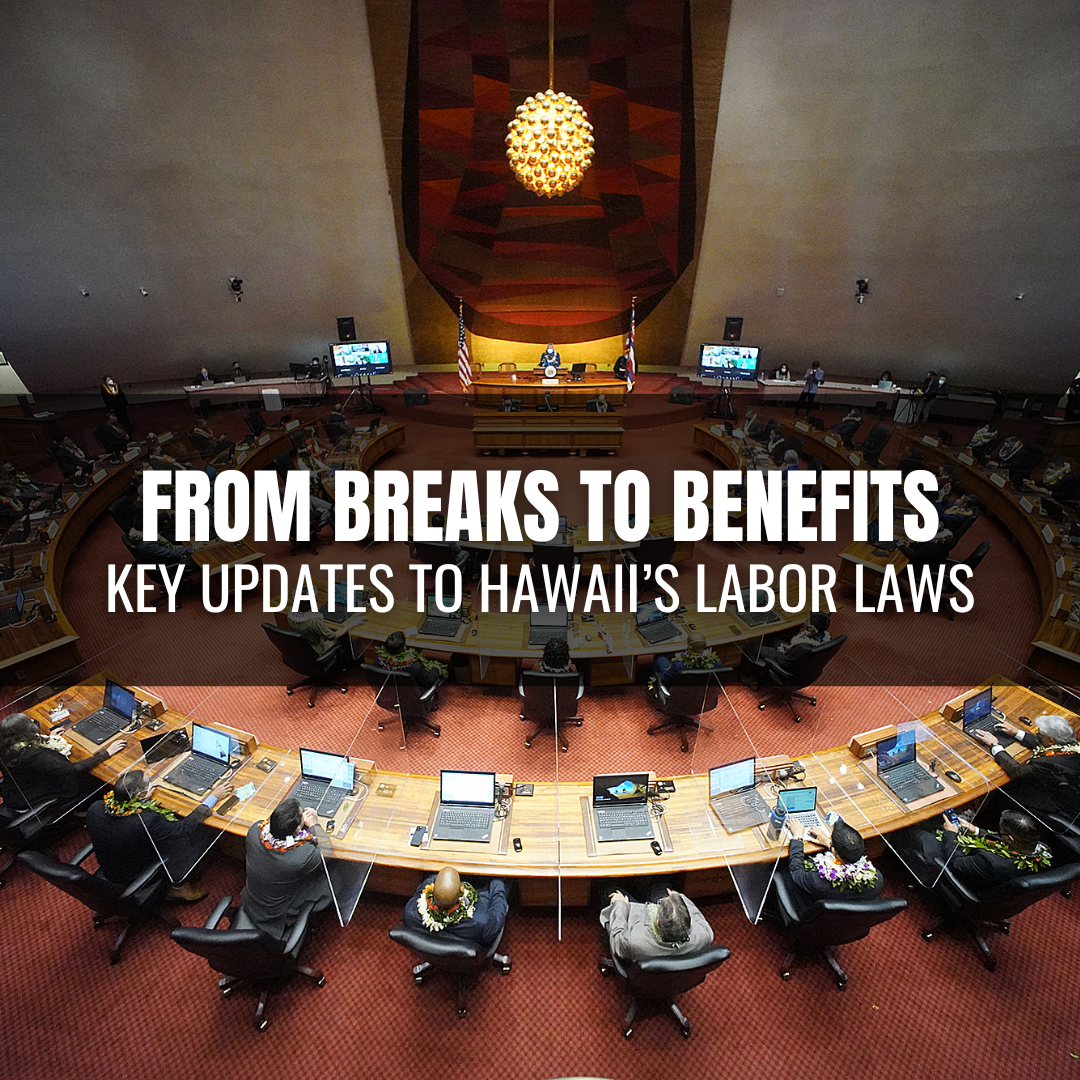
Hawaii has long been known for its strong worker protections, and its labor laws continue to evolve to meet the needs of a changing workforce. Whether you're an employer navigating compliance requirements or an employee wondering about your rights, staying informed about these updates is crucial. From workplace safety to discrimination laws, let's break down the key changes and their real-world implications.
Major Updates and Their Impact
Meal and Rest Breaks: Still No Change for Most Workers
One of the biggest surprises for many employees is that Hawaii still does not mandate meal or rest breaks for nonexempt workers aged 16 or older. While federal law does not require breaks either, many states have stepped up with their own regulations. In Hawaii:
- If an employer offers short breaks (20 minutes or less), they must be paid.
- Meal breaks (typically 30 minutes or more) do not require compensation, provided the employee is completely relieved of work duties.
While this system provides flexibility for employers, it can be challenging for workers who don’t receive guaranteed breaks, especially in physically demanding jobs like retail or hospitality.
Workers’ Compensation: Coverage for All Employees
Hawaii requires all employers to provide workers’ compensation insurance, including for part-time and temporary workers. This law ensures that employees injured on the job receive medical benefits and wage replacement while recovering.
Why It Matters: A construction worker injured at a job site in Maui won’t have to worry about medical bills or lost wages. However, businesses must carefully manage claims to avoid fraud and ensure compliance with the law.
Expanded Discrimination and Harassment Protections
Hawaii already had some of the most progressive anti-discrimination laws in the country, but recent updates reinforce protections, particularly regarding gender identity, pregnancy-related conditions, and survivors of domestic violence.
The Hawaii Employment Practices Act explicitly prohibits discrimination based on:
- Religion, race, and national origin
- Sexual orientation and gender identity
- Pregnancy, childbirth, and breastfeeding
- Mental or physical disability
- Criminal history (with exceptions for work-related offenses)
- Credit history
Employers are responsible for preventing workplace harassment, which includes offensive jokes, slurs, or hostile working conditions.
While these protections create safer workplaces, they also put pressure on businesses to provide proper training and address complaints promptly.
Child Labor Laws: Stricter Work Permits for Minors
Hawaii has reinforced its child labor laws to ensure minors are protected from workplace exploitation. Minors under 18 must obtain a work permit before starting a job, with additional hour restrictions for younger workers.
- Ages 14–15:
- Limited to 3 hours on school days and no more than 18 hours per school week.
- Cannot work past 7 PM on a school night.
- Ages 16–17:
- Fewer restrictions but still require a Certificate of Age Work Permit.
Workplace Safety: State Regulations Going Beyond Federal Standards
Hawaii's Occupational Safety and Health Division (HIOSH) continues to enforce workplace safety laws that go beyond federal OSHA requirements in areas such as:
- Industrial lighting (ensuring well-lit workspaces for safety)
- Worker intoxication (strict rules on impairment at work)
- Noise exposure (especially in construction and manufacturing industries)
- Toxic substance handling
Why This Matters: A hotel housekeeper exposed to hazardous cleaning chemicals must receive proper safety training and personal protective equipment (PPE). Employers who fail to comply could face penalties.
These measures create safer work environments but also increase compliance costs for businesses.
The Big Picture: Balancing Worker Rights and Business Responsibilities
Hawaii's updated labor laws offer some of the strongest protections for workers in the U.S., particularly in anti-discrimination policies and workplace safety. However, some areas—such as the lack of required meal or rest breaks—still leave room for improvement.
For workers, these updates provide greater job security, better protections against discrimination, and a guarantee that workplace injuries will be covered. However, the lack of mandated breaks can still make long shifts physically demanding.
For employers, these laws mean stricter compliance obligations, particularly around safety, discrimination training, and workers’ compensation. While this can increase operational costs, it also fosters a fairer and more structured workplace environment.
Whether you're an employee or an employer, knowing your rights and responsibilities under Hawaii’s labor laws is key to navigating the workplace in 2025. Staying compliant isn’t just about following the rules—it’s about creating a safer, more inclusive, and more productive work environment for all.