Workplace Fairness
CPG Staffing and Executive Personnel Settle Disability Discrimination Lawsuit for $60,000
Background
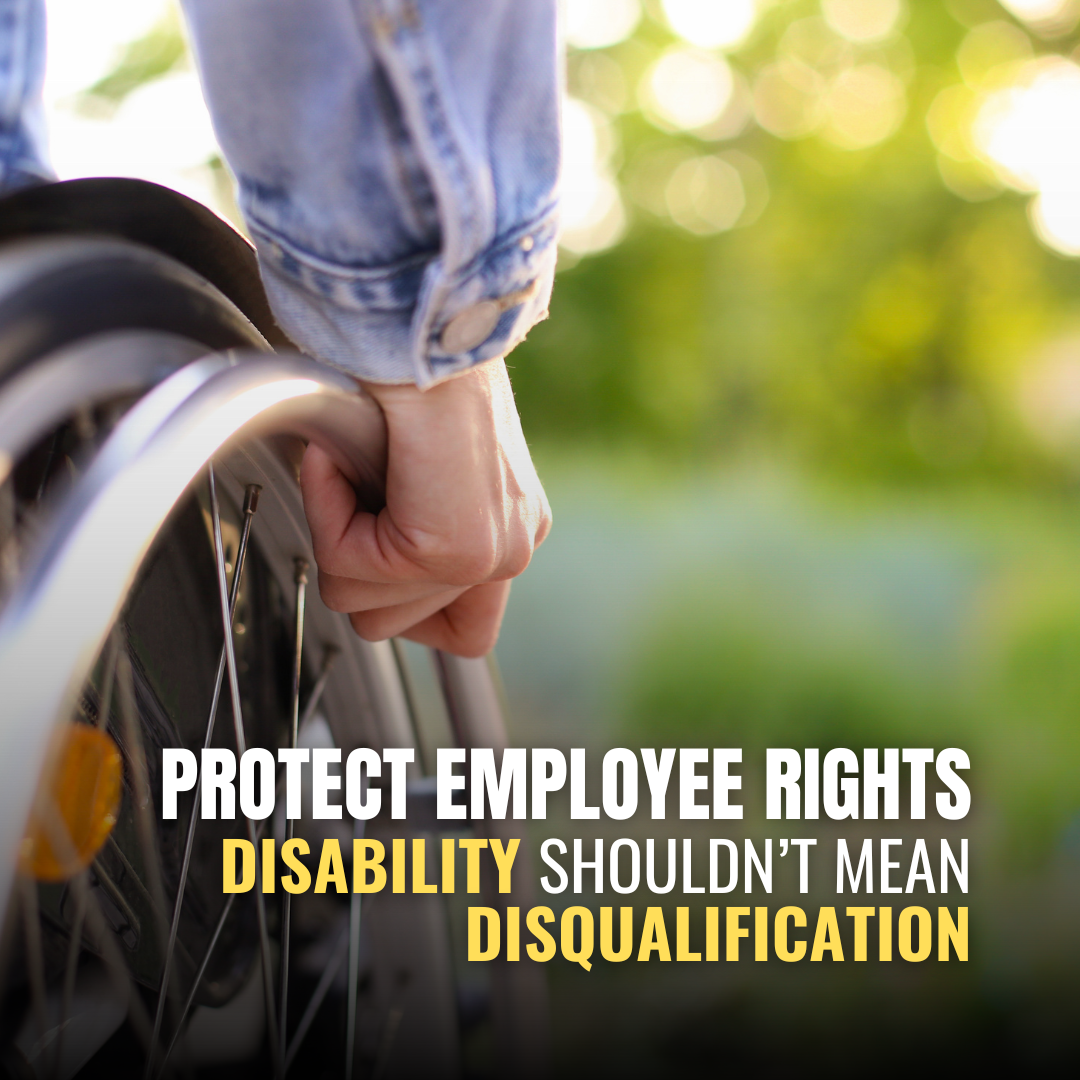
A recent lawsuit against CPG Staffing and Executive Personnel Group highlights the risks of disability discrimination in hiring. The case stemmed from allegations that the staffing agencies withdrew a job offer from a welding applicant due to a past injury, despite medical clearance confirming his ability to perform the job. This case underscores the importance of fair hiring practices and adherence to disability discrimination laws.
The Incident
A qualified welder passed a skills test that required climbing ladders, crouching, and crawling—key tasks for the role. However, after disclosing a fully healed knee injury on a post-offer medical questionnaire, the job offer was rescinded. Despite providing a doctor’s note confirming he was fit to work without accommodations, the staffing agencies declined to hire him. The decision appeared to be based on concerns about his past injury rather than his current abilities, raising legal concerns.
Legal Background
The Americans with Disabilities Act (ADA) prohibits employers from discriminating against individuals based on actual or perceived disabilities. If an applicant can perform essential job functions, employers cannot deny employment based on medical history alone. Furthermore, requiring unnecessary medical disclosures that lead to hiring discrimination violates the ADA. This lawsuit emphasized the importance of evaluating candidates based on qualifications rather than assumptions about health conditions.
Settlement and Policy Changes
CPG Staffing and Executive Personnel Group agreed to pay $60,000 to settle the case. In addition to monetary compensation, the companies committed to policy changes, including:
- ADA Compliance Training: Conducting training sessions for employees to prevent future discrimination.
- Revised Medical Questionnaires: Removing inquiries about prior work-related injuries from post-offer forms.
- Updated Hiring Practices: Ensuring that hiring decisions align with ADA protections.
- Workplace Notices: Posting ADA compliance information at all company locations.
Key Takeaways from the Case
- Past Injuries Cannot Be a Hiring Barrier – Employers must assess candidates based on their ability to perform job tasks, not past medical conditions.
- ADA Compliance Is Mandatory – Businesses must follow federal disability protections to avoid legal consequences.
- Proactive Training Prevents Violations – Regular training and policy reviews help prevent discrimination claims.
Conclusion: The Importance of Compliance in Hiring
This case demonstrates the legal and financial consequences of failing to comply with the ADA. Employers must ensure their hiring policies align with federal protections to foster an inclusive workplace and mitigate risks of discrimination lawsuits.