Employee Lawsuit
Taco Bell Franchisees Sued for Sexual Harassment and Retaliation
Background
The U.S. Equal Employment Opportunity Commission (EEOC) has filed a lawsuit against six related entities operating Taco Bell restaurants in Michigan. The case involves allegations of widespread sexual harassment and unlawful retaliation in multiple locations, raising serious concerns about workplace protections, especially for young and vulnerable employees.
Incident
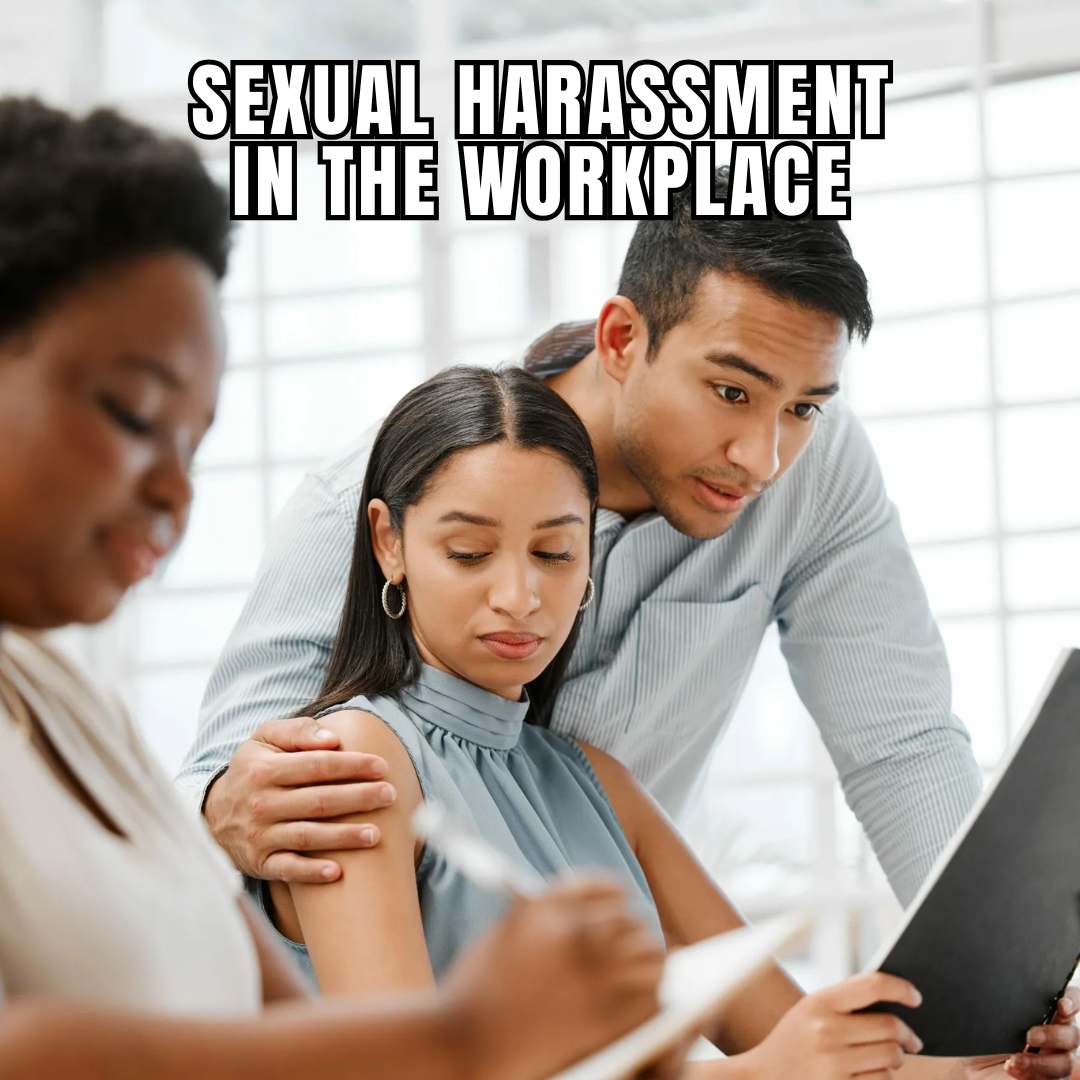
According to the EEOC, a senior area manager overseeing multiple Taco Bell locations in Michigan engaged in persistent sexual harassment targeting female employees, including several teenagers. The harassment reportedly occurred on a near-daily basis and included inappropriate comments about employees’ sexual activity, unwanted touching, and solicitations for explicit images and videos. In one instance, he allegedly asked an underage employee whether she would give him “sugar” when she turned 18.
Despite multiple complaints from employees and supervisors, the franchise operators failed to take timely or effective action. The situation escalated when a local assistant manager formally reported the misconduct. Instead of addressing the claims, the company allegedly fired the assistant manager on the same day she filed the complaint. The senior area manager continued his inappropriate behavior for several more months before he was eventually terminated.
Legal Background
The alleged actions violate Title VII of the Civil Rights Act of 1964, which prohibits workplace sexual harassment and retaliation against employees who report discrimination. The EEOC filed the lawsuit in the U.S. District Court for the Eastern District of Michigan (Case No. 25-10575) after attempts to resolve the matter through pre-litigation conciliation failed.
Settlement and Relief Sought
The EEOC is seeking monetary compensation for affected employees, including damages for emotional distress and lost wages for those who faced retaliation. Additionally, the agency is pushing for injunctive relief, which may include mandatory training programs, policy changes, and oversight measures to prevent future incidents.
Key Takeaways
- Employer Responsibility – Businesses must take employee complaints of harassment seriously and act promptly to address misconduct.
- Retaliation is Illegal – Firing an employee for reporting harassment violates federal law and can result in significant legal consequences.
- Workplace Protections for Teens – Young workers, particularly in the fast-food industry, are at heightened risk of workplace exploitation. Employers must ensure a safe and respectful environment for all employees.
Conclusion
This lawsuit highlights the ongoing issue of workplace harassment, particularly in industries employing young workers. Employers must prioritize creating a safe work environment, enforce anti-harassment policies, and respond to complaints appropriately to prevent legal action and protect their workforce.
Recommendation: Sexual Harassment Training with TAP Series
To prevent similar issues, Taco Bell franchisees and other employers should implement Sexual Harassment Training with TAP Series. This program provides comprehensive, industry-specific training to help employees recognize, prevent, and report harassment in the workplace, ensuring compliance with federal regulations and fostering a safer work environment.